Struggling to conceive can be emotionally challenging for couples. If you’ve been trying to have a baby without success, you’re not alone. In vitro fertilization (IVF) has helped millions of couples worldwide become parents. This guide explains everything you need to know about IVF in simple terms.
What Is IVF and How Does It Work?
IVF stands for In Vitro Fertilization. In simple words, it means fertilization happens outside the body in a laboratory. Doctors take eggs from the woman’s ovaries and sperm from the man, then combine them in a lab dish. Once an embryo forms, it’s placed back into the woman’s uterus.
According to the World Health Organization, infertility affects approximately 1 in 6 people globally. IVF has become one of the most effective treatments for helping couples conceive.
The Step-by-Step IVF Process
Step 1: Initial Consultation and Testing
Your journey begins with detailed fertility testing for both partners. The best ivf doctor in Gurgaon or your area will review your medical history, perform physical exams, and order blood tests and ultrasounds.
Common tests include:
- Hormone level checks
- Ovarian reserve testing
- Semen analysis
- Uterine cavity evaluation
- Infectious disease screening
Step 2: Ovarian Stimulation
The woman takes fertility medications for 8-14 days to stimulate her ovaries to produce multiple eggs. Normally, a woman produces one egg per month, but IVF requires several eggs to increase success chances.
During this time, you’ll have regular ultrasounds and blood tests to monitor egg development. The dosage of medicines may be adjusted based on your response.
Step 3: Egg Retrieval
When eggs reach the right size, a minor surgical procedure called egg retrieval is performed. This is done under light anesthesia, so you won’t feel pain. A thin needle is guided through the vagina to the ovaries to collect the eggs. The procedure takes about 20-30 minutes.
Step 4: Fertilization
The collected eggs are taken to the laboratory where they meet with sperm. According to the American Society for Reproductive Medicine, there are two fertilization methods:
Conventional IVF: Eggs and sperm are mixed together in a dish and fertilization happens naturally.
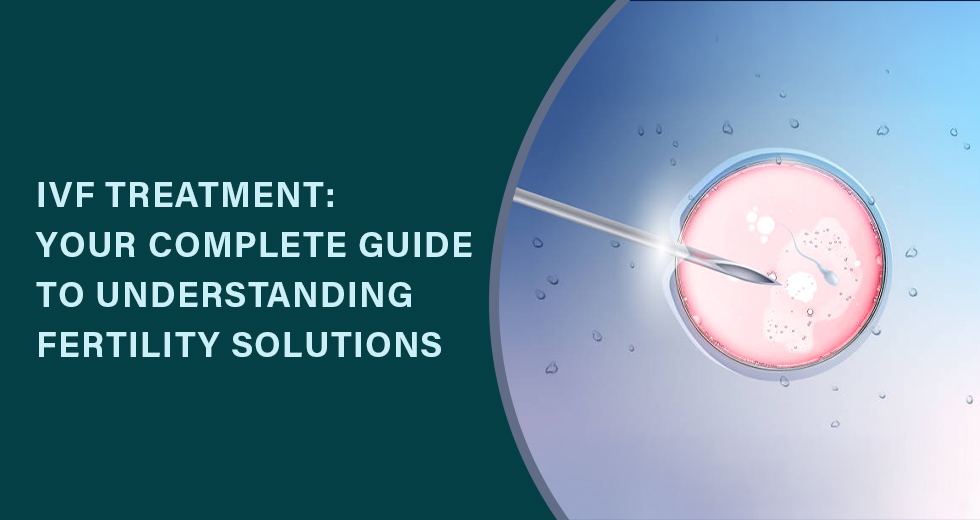
ICSI (Intracytoplasmic Sperm Injection): A single sperm is directly injected into each egg. This is used when sperm quality is poor.
Step 5: Embryo Development
Fertilized eggs (now called embryos) are kept in special incubators for 3-5 days. Embryologists monitor their development carefully. The best quality embryos are selected for transfer.
Step 6: Embryo Transfer
This is a simple, painless procedure. One or two embryos are placed into the uterus using a thin catheter. No anesthesia is needed. After the transfer, you rest for a short time and can go home the same day.
Step 7: The Waiting Period
The next two weeks are called the “two-week wait.” This is when you wait to see if the embryo implants and pregnancy occurs. A blood test is done about 10-14 days after transfer to check pregnancy hormone levels.
Who Needs IVF Treatment?
IVF can help couples facing various fertility challenges:
Female Fertility Issues
- Blocked or damaged fallopian tubes: Makes it impossible for eggs to meet sperm naturally
- Ovulation disorders: Irregular or absent ovulation reduces egg availability
- Endometriosis: Tissue growing outside the uterus affects fertility
- Uterine fibroids: Non-cancerous growths that interfere with implantation
- Previous tubal sterilization: Women who had tubes tied but now want pregnancy
- Advanced maternal age: Women over 35 have declining egg quality
Male Fertility Issues
- Low sperm count: Not enough sperm to fertilize an egg naturally
- Poor sperm motility: Sperm don’t swim properly
- Abnormal sperm shape: Affects ability to penetrate the egg
- Blockages: Prevent sperm from being ejaculated
Unexplained Infertility
Sometimes, all tests come back normal, but pregnancy still doesn’t happen. IVF can help in these cases too.
Genetic Disorders
Couples carrying genetic diseases can use IVF with genetic testing (PGT) to select healthy embryos, preventing the disease from passing to their child.
Research from the National Institutes of Health shows that IVF combined with genetic testing has helped thousands of families avoid passing on serious genetic conditions.
Success Rates: What to Expect
IVF success depends on several factors, with age being the most important. Here’s what statistics show:
- Women under 35: 40-50% success rate per cycle
- Women 35-37: 30-40% success rate
- Women 38-40: 20-30% success rate
- Women over 40: 10-15% success rate
Other factors affecting success include:
- Cause of infertility
- Number and quality of embryos
- Lifestyle factors (smoking, weight, alcohol)
- Previous pregnancy history
- Clinic expertise and technology
Choosing a top IVF centre in Gurgaon or your city with experienced specialists and modern equipment significantly improves your chances.
Types of IVF Treatments Available
Standard IVF
The basic process described above. Suitable for most couples.
ICSI (Intracytoplasmic Sperm Injection)
Used when there are severe male factor issues. A single sperm is injected directly into the egg. Success rates are similar to standard IVF.
IVF with Donor Eggs
When a woman’s eggs are not viable, eggs from a young, healthy donor can be used. This gives women over 40 or those with poor egg quality a better chance.
IVF with Donor Sperm
Used when male partner has no sperm or carries genetic diseases. Donor sperm from a sperm bank is used for fertilization.
Frozen Embryo Transfer (FET)
Extra embryos from your IVF cycle are frozen for future use. If the first cycle doesn’t work or you want another child later, frozen embryos can be thawed and transferred. This saves the cost and effort of another full IVF cycle.
Mini IVF
Uses minimal stimulation medications. Results in fewer eggs but is gentler on the body and costs less. Good option for women who respond poorly to high-dose medications.
Preparing for IVF: What You Can Do
Three Months Before Starting
For Women:
- Start taking prenatal vitamins with folic acid
- Maintain healthy weight (not too low or too high)
- Quit smoking and limit alcohol
- Reduce caffeine intake
- Exercise moderately (avoid excessive workouts)
- Manage stress through yoga or meditation
- Get adequate sleep
For Men:
- Take multivitamins and antioxidants
- Avoid hot baths and saunas (heat affects sperm)
- Quit smoking and limit alcohol
- Maintain healthy weight
- Avoid tight underwear
- Reduce stress
Dietary Recommendations
Foods that support fertility:
- Protein-rich foods (eggs, fish, chicken, lentils)
- Healthy fats (avocado, nuts, olive oil)
- Whole grains (brown rice, oats, quinoa)
- Colorful fruits and vegetables
- Dairy products (milk, yogurt)
- Plenty of water
Foods to avoid:
- Processed and junk food
- Trans fats
- Excessive sugar
- Raw or undercooked meat
- High-mercury fish
- Unpasteurized dairy
Cost of IVF Treatment in India
IVF costs vary widely depending on the city, clinic, and treatment specifics. In India, one IVF cycle typically costs between ₹1,00,000 to ₹2,50,000.
What’s Included:
- Initial consultations and tests
- Medications for ovarian stimulation
- Egg retrieval procedure
- Laboratory work (fertilization and embryo culture)
- Embryo transfer
- Post-transfer monitoring
Additional Costs:
- ICSI: ₹20,000-₹40,000 extra
- Frozen embryo storage: ₹20,000-₹30,000 per year
- PGT (genetic testing): ₹50,000-₹1,00,000
- Donor eggs or sperm: Variable costs
Many clinics offer package deals or payment plans. Check if your health insurance covers any fertility treatments. According to the Insurance Regulatory and Development Authority of India, some newer insurance plans are beginning to include partial IVF coverage.
Emotional Journey: Coping with IVF
IVF is not just physically demanding—it’s emotionally challenging too. The hormonal medications, the waiting periods, and the uncertainty can cause stress, anxiety, and mood swings.
Common Emotional Challenges
- Fear of failure
- Financial stress
- Relationship strain
- Social pressure
- Loss of control
- Grief after failed cycles
Coping Strategies
Communicate with Your Partner Keep talking openly about your feelings, fears, and hopes. You’re in this together.
Join Support Groups Connecting with other couples going through IVF helps you feel less alone. Online forums and local support groups are available.
Consider Counseling Professional counseling helps you process emotions and develop coping strategies. Many fertility clinics have counselors on staff.
Practice Self-Care
- Take breaks from fertility talk
- Engage in hobbies you enjoy
- Spend time with supportive friends and family
- Try relaxation techniques
- Be kind to yourself
Limit Social Media Seeing pregnancy announcements can be painful. It’s okay to take breaks from social media.
The Indian Psychiatric Society emphasizes that mental health support during fertility treatment is crucial for overall wellbeing.
Risks and Side Effects
Like any medical procedure, IVF has some risks:
Mild Side Effects
- Bloating and abdominal discomfort
- Breast tenderness
- Mood swings
- Headaches
- Mild cramping after egg retrieval or embryo transfer
Serious But Rare Complications
Ovarian Hyperstimulation Syndrome (OHSS) Ovaries become swollen and painful. Severe cases need hospitalization. Modern protocols have reduced this risk significantly.
Multiple Pregnancy If more than one embryo is transferred, twins or triplets are possible. Multiple pregnancies carry higher risks for mother and babies.
Ectopic Pregnancy Embryo implants outside the uterus, usually in the fallopian tube. Requires immediate treatment.
Egg Retrieval Complications Rare risks include bleeding, infection, or damage to nearby organs.
Your doctor will monitor you closely throughout the process to minimize these risks.
Legal and Ethical Considerations in India
India has specific laws regarding IVF and assisted reproductive technology:
What’s Allowed
- IVF for married couples
- Egg and sperm donation
- Embryo donation
- Surrogacy (with restrictions)
What’s Not Allowed
- Sex selection (choosing baby’s gender for non-medical reasons)
- Revealing baby’s gender during pregnancy
- Commercial surrogacy (only altruistic surrogacy permitted)
Important Legal Points
- Donor anonymity is maintained
- Donors are screened for health and genetic conditions
- Written consent is required from all parties
- Records are maintained confidentially
After IVF: What Happens Next
If the Cycle Is Successful
Congratulations! You’ll have regular prenatal checkups like any other pregnancy. IVF pregnancies are considered slightly higher risk, so monitoring may be more frequent initially. Consulting a maternity hospital in Gurgaon or your area with experience in IVF pregnancies ensures proper care.
If the Cycle Fails
A failed cycle is heartbreaking, but it doesn’t mean IVF won’t work for you. Many couples succeed in subsequent cycles.
What to Do:
- Schedule a follow-up appointment with your doctor
- Discuss what might have gone wrong
- Review whether changes to the protocol might help
- Decide whether to try again immediately or take a break
- Consider counseling to process your feelings
Statistics show that cumulative success rates improve with each cycle. Many couples succeed on their second or third attempt.
Questions to Ask Your IVF Doctor
Before starting treatment, make sure you understand:
- What are our specific fertility issues?
- What’s our expected success rate based on our situation?
- How many embryos will you recommend transferring?
- What’s your experience with cases like ours?
- What medication protocol will you use?
- What are the total costs, including additional procedures?
- Do you offer any financing options?
- What support services are available (counseling, nutrition)?
- What happens to unused embryos?
- How many cycles would you recommend trying?
Alternative and Complementary Approaches
While undergoing IVF, some couples explore complementary therapies. Always inform your doctor before trying anything new.
Evidence-Based Complementary Therapies:
Acupuncture Some studies suggest acupuncture may improve IVF success rates by increasing blood flow to reproductive organs and reducing stress.
Yoga Gentle yoga reduces stress and promotes relaxation. Avoid intense or hot yoga during IVF.
Meditation Regular meditation practice helps manage stress and anxiety during treatment.
Nutritional Supplements CoQ10, vitamin D, omega-3 fatty acids, and prenatal vitamins may support fertility. Take only doctor-recommended supplements.
Research from the National Center for Complementary and Integrative Health suggests that stress-reduction techniques can positively impact fertility treatment outcomes.
Success Stories and Hope
Thousands of babies are born through IVF every year in India. Many celebrities and public figures have openly shared their IVF journeys, reducing stigma and giving hope to others.
Remember:
- Age is important but not the only factor
- Failed cycles don’t mean you’ll never succeed
- Technology and protocols are constantly improving
- Every couple’s journey is unique
- Don’t compare yourself to others
- Stay hopeful but realistic
Making the Decision
Deciding to pursue IVF is personal and significant. Consider:
Financial Readiness Can you afford treatment? Do you have savings or financing options? What if you need multiple cycles?
Emotional Readiness Are you prepared for the emotional rollercoaster? Do you have support systems in place?
Physical Health Are you in good health? Have you optimized your lifestyle factors?
Relationship Stability Is your relationship strong enough to weather this journey together?
Alternative Options Have you considered other paths to parenthood like adoption or living child-free?
Take time to discuss all these aspects with your partner and healthcare provider.
Final Thoughts
IVF is a medical miracle that has made parenthood possible for millions. While the journey can be challenging, the outcome—holding your baby—makes it worthwhile for most couples.
If you’re considering IVF, educate yourself thoroughly, choose experienced professionals, prepare your body and mind, and maintain realistic expectations. Success may not come immediately, but persistence often pays off.
Remember, seeking fertility treatment is a sign of strength, not weakness. You deserve support, compassion, and the best medical care available. Whether you’re just starting to explore options or are already on your IVF journey, know that you’re not alone.
The path to parenthood through IVF requires courage, patience, and hope. With advances in reproductive medicine and the expertise of dedicated fertility specialists, your dream of having a baby can become reality.
Disclaimer: This article provides general educational information about IVF treatment. Every individual’s medical situation is unique. Always consult qualified fertility specialists and reproductive endocrinologists for personalized medical advice and treatment plans. IVF success rates and protocols vary. Do not make treatment decisions based solely on information from the internet.

 Medical Health Info